
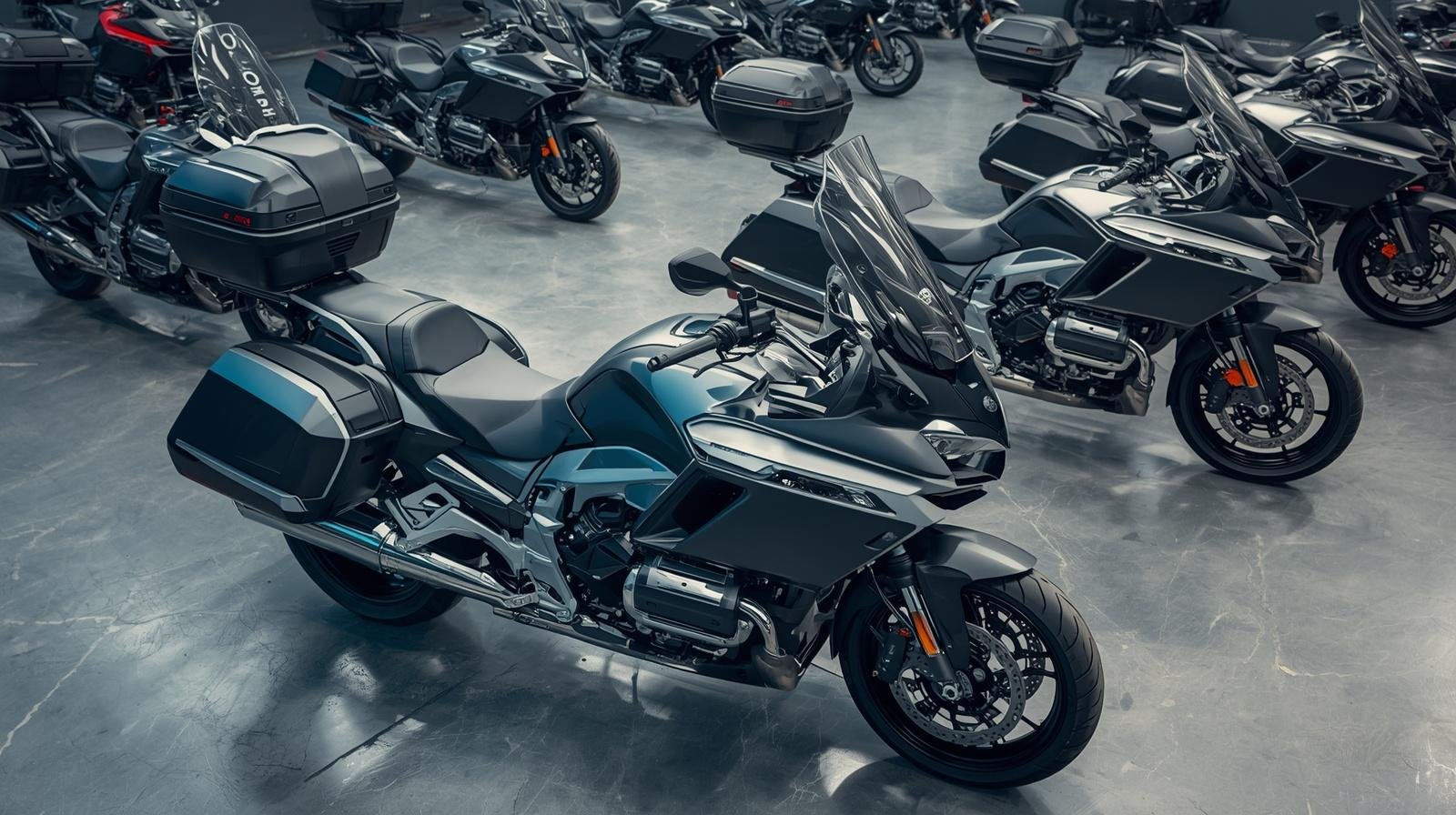
There is a particular kind of magic that happens when you point a good motorcycle toward the horizon with nothing ahead of you but open road, changing landscapes, and the quiet hum of kilometres adding up beneath your wheels. Long-distance motorcycle touring is not just a way to travel. It is a way of experiencing the world at exactly the right speed — fast enough to cover real ground, slow enough to actually feel where you are. The wind, the smells, the temperature changes as you climb through mountain passes or drop into river valleys, the way a distant city slowly grows from a smudge on the horizon into a skyline and then a street — none of this reaches you inside a car. On a motorcycle, it all does.
But here is the truth that separates a magical long-distance tour from a painful ordeal: the bike you choose makes an enormous difference. A motorcycle that is brilliant for weekend blasts or urban commuting can become a genuine source of suffering across hundreds of consecutive kilometres. Vibration, wind fatigue, poor seat comfort, limited fuel range, and inadequate luggage capacity are all problems that reveal themselves slowly over long days in the saddle and cannot be ignored once they appear.
This guide to the best bikes for long-distance touring in 2026 is built for riders who want to get it right from the start.
What Separates a Great Touring Bike From Everything Else
Long-distance touring places demands on a motorcycle that no other riding style quite replicates. A sports bike might handle better in corners. A naked streetfighter might feel more excited in the city. A cruiser might turn more heads at a weekend rally. But none of them will carry you comfortably through ten or twelve consecutive hours of riding across varied terrain and changing conditions the way a properly designed touring machine will.
Comfort is the foundation of everything in long-distance riding. This means an ergonomic riding position that keeps your back, wrists, and neck in natural, sustainable angles for extended periods. It means a seat that is designed with long-term support in mind rather than short-term showroom appeal. It means suspension tuned to absorb road imperfections smoothly and progressively rather than transmitting every surface change directly to the rider’s spine.
Wind protection is critical on any touring bike intended for sustained highway speeds. A well-designed windscreen does not just keep rain off your chest. It manages airflow around the rider, dramatically reducing fatigue over the course of a full riding day. Riders who have experienced both a proper touring windscreen and its absence on long trips rarely need convincing of its importance.
Fuel range determines how your day is structured. A bike that needs refuelling every 150 kilometres imposes a rhythm on your journey that can be restrictive, particularly in less populated areas. The best long-distance touring bikes in 2026 offer fuel ranges that comfortably exceed 300 kilometres between stops, which gives riders the freedom to ride on their own terms rather than the petrol station’s schedule.
Luggage capacity, either built-in or easily accommodated through proper mounting points, is the final practical essential. A touring bike that cannot carry your clothing, tools, documentation, and other necessities in a secure, balanced, and weatherproof manner is not truly a touring bike, regardless of how comfortable or powerful it might be.
Honda Gold Wing Tour
If you are asking which motorcycle represents the absolute pinnacle of long-distance touring capability in 2026, the answer remains the Honda Gold Wing Tour, and it is not a particularly close contest. This is the machine against which every other touring motorcycle is ultimately measured, and it has held that position through multiple generations by continuing to set the standard in comfort, refinement, and long-distance capability.
The Gold Wing Tour is built around a horizontally opposed six-cylinder engine that is among the smoothest and most refined powerplants ever installed in a motorcycle. The flat-six configuration lowers the centre of gravity significantly compared to inline or V configurations, which makes the Gold Wing handle with fluidity and balance that surprises every rider who approaches it assuming a large touring machine must feel unwieldy. The power delivery is effortless and linear, pulling strongly from low revs and cruising at highway speeds with barely a whisper of mechanical stress.
The comfort package for the 2026 Gold Wing Tour is genuinely exceptional. The heated seats and grips, the electrically adjustable windscreen, the premium audio system, the large integrated luggage capacity, and the smooth dual-clutch transmission option combine to create a riding experience that feels closer to a premium aircraft cabin than a conventional motorcycle. For riders who plan to cover serious distances day after day, the Gold Wing Tour removes the suffering from long-distance riding as comprehensively as any machine on the market.
The Gold Wing Tour is not inexpensive, and its size and weight require some familiarity to navigate in parking lots and tight urban environments. But for dedicated long-distance tourers who have decided to invest in the best, it remains the undisputed benchmark.
BMW R 1300 GS Adventure
The BMW R 1300 GS Adventure earns its place in any discussion of the best bikes for long-distance touring because it approaches the challenge from a fundamentally different angle than a pure road tourer like the Gold Wing. Where the Gold Wing optimises entirely for paved-road comfort and refinement, the GS Adventure offers something rarer and arguably more valuable for many touring riders: the ability to go wherever the road leads and then keep going when the road ends.
The R 1300 GS Adventure in 2026 carries BMW’s most developed iteration of the horizontally opposed twin-cylinder engine, producing strong power and excellent torque in a characterful, distinctive package. The engine’s character is part of the bike’s identity — it is not as silky smooth as Honda’s six-cylinder, but it has a personality and a sound that many touring riders find deeply engaging over long miles rather than something to be tuned out.
The electronics package on the R 1300 GS Adventure is comprehensive and genuinely useful for touring. Adaptive cruise control, cornering ABS, dynamic ESA suspension adjustment, and a large, clear navigation-ready display all contribute to a touring experience that is both safer and less tiring on long days. The semi-active suspension, in particular, makes a meaningful difference to long-distance comfort, automatically adjusting to road conditions without requiring rider input.
The large fuel tank gives the GS Adventure a touring range that comfortably handles long stretches between petrol stations, and the availability of quality luggage systems from BMW and aftermarket suppliers makes it one of the most easily equipped touring platforms available. For riders who want to tour the world rather than just tour the motorway network, the R 1300 GS Adventure is arguably the single most capable machine on this list.
Kawasaki Versys 1000 SE
The Kawasaki Versys 1000 SE occupies a very interesting position in the long-distance touring landscape. It is not a dedicated tourer in the pure sense, nor is it a full adventure bike. What it is, is a supremely capable and comfortable long-distance companion that combines genuine touring ability with a level of riding engagement and value for money that its more expensive competitors struggle to match.
The inline-four engine is smooth, powerful, and capable of sustained high-speed cruising with a refinement that belies the Versys platform’s relatively accessible price point. Kawasaki has tuned the power delivery for touring rather than peak performance, which means excellent mid-range torque and a relaxed, effortless feel at motorway speeds that makes long days in the saddle genuinely comfortable rather than exhausting.
The electronically controlled suspension on the SE variant is one of the best-implemented systems in this price bracket, adjusting to road conditions with speed and sensitivity that keep the ride quality consistently excellent across changing surfaces. This matters more than many riders expect on long tours, where road quality can vary widely across countries, regions, and even successive sections of the same route.
The Versys 1000 SE comes equipped with a comprehensive electronics suite including adaptive cruise control, cornering ABS, and multiple riding modes. Combined with Kawasaki’s well-designed luggage mounting system and the bike’s natural long-distance ergonomics, it makes a compelling case as perhaps the best value long-distance touring option for riders who want serious capability without the premium price tags of the Gold Wing or top-specification GS Adventure.
Yamaha FJR1300
The Yamaha FJR1300 is a motorcycle that has been carrying serious touring riders across continents for decades, and its continued presence in the 2026 market is a testament to how well the fundamental concept was realised when the bike was first developed. This is a purpose-built sport tourer that prioritises long-distance capability, reliability, and rider comfort in a package that remains one of the most thoughtfully engineered touring machines available.
The inline-four engine in the FJR1300 is a masterpiece of long-distance tuning. It produces its power across a broad rev range, pulls strongly at motorway cruising speeds without feeling stressed, and delivers the kind of consistent, fuss-free performance that touring riders depend on across thousands of kilometres. Yamaha’s engineering conservatism with the FJR1300 is a deliberate strength — this is a motorcycle that rewards owners with extraordinary reliability over enormous mileages.
The shaft drive system on the FJR1300 is particularly appreciated by long-distance tourers because it eliminates chain maintenance from the touring routine. On extended tours, where every hour of riding time is precious, and every maintenance task is an interruption to the journey, a shaft-drive motorcycle offers a genuine quality-of-life advantage that riders who have experienced it are reluctant to give up.
The fairing and windscreen protection on the FJR1300 is among the best available in the sport tourer category, keeping the rider comfortable in poor weather and at sustained high speeds with a thoroughness that reflects the machine’s touring DNA. For riders who want a proven, reliable, and supremely capable long-distance machine with decades of development behind it, the FJR1300 remains one of the most honest and trustworthy choices in 2026.
BMW K 1600 GTL
For riders who want to combine the ultimate in motorcycle touring luxury with genuine European grand touring character, the BMW K 1600 GTL occupies a unique position in the market. This is a machine built to make the longest possible days in the saddle feel not just manageable but genuinely pleasurable, and it achieves this ambition through a combination of extraordinary engineering and meticulous attention to rider comfort.
The inline-six engine is as smooth and refined as any motorcycle powerplant in production, producing its power with a silkiness that makes the Gold Wing’s six-cylinder the only real point of comparison. The character of the K 1600 GTL’s engine is distinctly BMW — sportier and more dynamic than Honda’s flat-six, which gives the bike a dual personality that suits both relaxed cruising and more enthusiastic riding when the road calls for it.
The integrated luggage system on the K 1600 GTL is among the most practical and well-designed in the touring segment. The panniers and top case are large, easy to operate, and weatherproof, and the system integrates visually with the bike’s bodywork in a way that makes the loaded touring configuration look intentional rather than afterthought. For riders who place a high value on practical luggage capacity, comfort, and performance, the K 1600 GTL delivers a near-perfect package.
Triumph Tiger Sport 660
For touring riders seeking a more accessible and affordable entry point to genuine long-distance capability, the Triumph Tiger Sport 660 deserves serious attention as one of the most underrated touring values in the 2026 market. This machine offers a compelling combination of touring ergonomics, reliable weather protection, and the distinctive Triumph triple-cylinder engine character at a price point considerably below that of the premium touring machines listed above.
The three-cylinder engine is one of the great motorcycling experiences available at any price. It combines the low-end torque of a twin-cylinder with the top-end excitement of an inline-four in a way that is entirely its own, and its character makes long motorway miles genuinely enjoyable rather than monotonous. Triumph has tuned the Tiger Sport 660’s engine specifically for touring use, prioritising mid-range flexibility and smooth power delivery that suits relaxed long-distance riding excellently.
The ergonomics are well thought out for taller riders, especially with a comfortable upright position and a seat that supports long hours in a way that cheaper alternatives in this price range typically do not. The half-fairing provides reasonable weather protection for the price point, though serious tourers expecting to cover long distances in challenging conditions may want to consider screen upgrades.
Quick Comparison of Best Long Distance Touring Bikes in 2026
Honda Gold Wing Tour: Best overall luxury touring, smoothest engine, maximum comfort, highest price
BMW R 1300 GS Adventure: Best adventure touring versatility, superb electronics, goes anywhere
Kawasaki Versys 1000 SE: Best value premium touring, excellent suspension, strong feature list
Yamaha FJR1300: Best proven reliability, shaft drive, outstanding wind protection, long track record
BMW K 1600 GTL: Best European luxury tourer, inline-six refinement, superb integrated luggage
Triumph Tiger Sport 660: Best affordable entry to genuine touring, triple-cylinder character, great ergonomics
Practical Tips for Long Distance Touring Success
Invest in a quality seat upgrade or aftermarket seat pad if your chosen bike’s standard seat is less than ideal for your build and preferred riding duration. Seat comfort is the most common complaint on long tours, and addressing it before your first major journey, rather than after, is far more enjoyable. Many touring riders find that a professionally fitted aftermarket seat transforms their entire relationship with long-distance riding.
Plan your daily distances realistically rather than optimistically. The most common mistake made by new touring riders is planning too many kilometres per day and arriving at each destination exhausted rather than energised. Experienced tourers often recommend limiting riding days to between 400 and 600 kilometres in average conditions, leaving time to actually experience the places the journey passes through rather than simply covering ground.
Pack for the weather you are likely to encounter rather than the weather you are hoping for. A waterproof jacket and overtrousers packed at the bottom of a pannier add minimal weight and bulk but provide enormous practical value when the sky darkens and the rain arrives. Carrying appropriate layers for unexpected temperature drops, particularly on high-altitude routes, is a basic preparation that separates comfortable tours from miserable ones.
Learn basic roadside maintenance before departing on any extended tour. Knowing how to repair a puncture, adjust a chain if your bike has one, check and top up fluids, and diagnose basic electrical issues gives you genuine confidence in remote areas and can save a tour from a premature and expensive ending. Many touring organisations and motorcycle training providers offer practical maintenance courses specifically designed for touring riders.
Carry a comprehensive first aid kit and ensure you have appropriate travel and medical insurance that specifically covers motorcycle touring. This is one of those preparation steps that experienced tourers treat as completely non-negotiable, regardless of how reliable their chosen machine is or how experienced they are as riders.
Frequently Asked Questions
What is the best motorcycle for long-distance touring for a beginner?
The Triumph Tiger Sport 660 and Kawasaki Versys 650 are both frequently recommended as excellent long-distance touring options for less experienced riders. They offer manageable power, genuine touring capability, and accessible price points. Starting a touring journey on a bike with appropriate ergonomics and comfort is far more important than engine displacement for beginning tourers.
How important is seat comfort on a long-distance touring bike?
Seat comfort is arguably the most important single factor in the long-distance touring experience after safety. A poorly designed or unsuitable seat becomes genuinely painful after several hours of sustained riding, and this fatigue and discomfort directly affect rider concentration and safety. Always sit on a bike for as long as possible in a showroom environment before purchasing, and research owner experiences with seat comfort for any model under serious consideration.
Do I need a fully dedicated touring motorcycle for long-distance riding?
Not necessarily. Many riders complete long-distance tours on adventure bikes, sport tourers, and even well-equipped naked bikes with the addition of appropriate luggage and comfort accessories. The key is ensuring that the bike you choose is comfortable for long rides and has sufficient luggage capacity and fuel range for your intended riding style. A dedicated touring machine makes the experience easier, but it is not an absolute prerequisite.
What fuel range should I look for in a long-distance touring bike?
For comfortable long-distance touring without frequent fuel stops, a real-world fuel range of 250-300 kilometres is desirable. Most of the premium touring machines in this guide comfortably exceed this figure. In areas with sparse fuel infrastructure, such as remote highways in Australia, Central Asia, or parts of Africa and South America, larger auxiliary fuel capacity may be worth considering.
Is a shaft drive better than a chain drive for long-distance touring?
For dedicated long-distance touring, shaft drive offers genuine practical advantages. It requires zero maintenance during a tour, never needs lubrication or tension adjustments, and is not affected by mud, water, or grit that can accelerate chain wear on varied terrain. The trade-off is a slight increase in weight and a marginally different power delivery characteristic. For riders who tour extensively and value simplicity in maintenance, shaft drive is generally the preferred option.
Conclusion
The best bikes for long-distance touring in 2026 share a quality that cannot be fully communicated in specification sheets or manufacturer brochures: they make the journey itself the destination. On a properly chosen touring motorcycle, the hours of riding are not the cost you pay to arrive somewhere interesting. They are the experience itself, as valuable and memorable as anything you find when you stop.
Whether you choose the supreme luxury of the Honda Gold Wing Tour, the limitless versatility of the BMW R 1300 GS Adventure, the extraordinary value of the Kawasaki Versys 1000 SE, the proven reliability of the Yamaha FJR1300, the European elegance of the BMW K 1600 GTL, or the accessible charm of the Triumph Tiger Sport 660, you are choosing a machine that has been built with the serious touring rider’s needs at the centre of every decision.
Prepare thoroughly, ride consistently, maintain your machine diligently, and let the kilometres take care of themselves. The open road rewards riders who come to it with the right equipment, preparation, and attitude. In 2026, the motorcycles available to make that journey are better than they have ever been. All you have to do is choose one and go.


Leave a Reply