
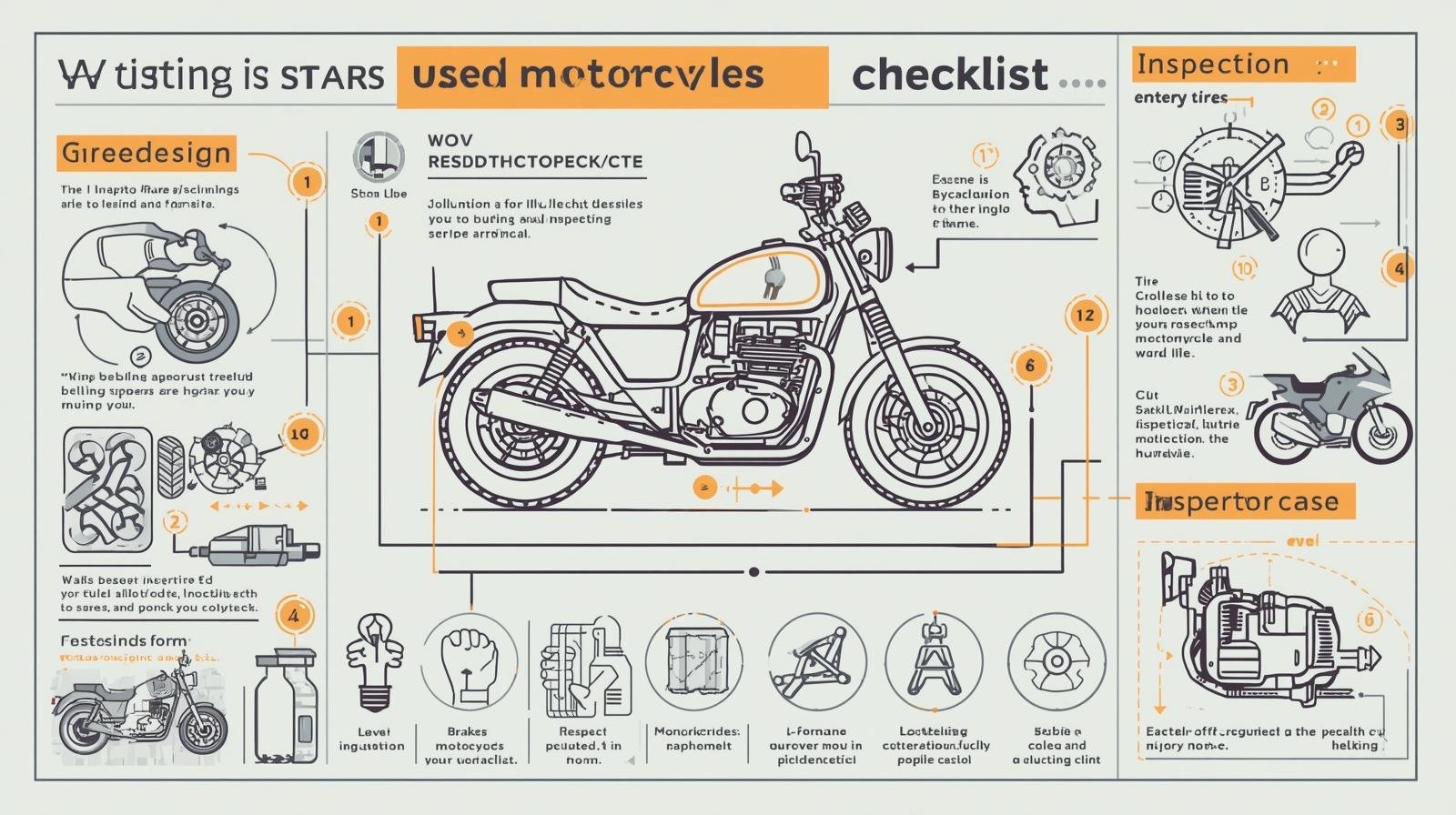
Buying a used motorcycle is one of the most exciting decisions a rider can make. Whether you are a beginner stepping into the world of two wheels for the very first time or an experienced rider looking to add another bike to the garage, a used motorcycle can offer incredible value. You get to skip the steep depreciation that hits the moment a new bike rolls off the dealership floor, and in many cases, you can find a machine that has been barely ridden and is still in near-perfect condition.
But here is the truth every smart buyer needs to hear: the used motorcycle market also carries real risks. A bike that looks clean and shiny at first glance might be hiding serious mechanical problems, accident damage, or even a murky ownership history. Without the right knowledge, it is easy to get swept up in excitement and miss the warning signs that could cost you thousands down the road.
That is exactly why this guide exists. We are going to walk you through everything you need to check before buying a used motorcycle, step by step, in plain language that anyone can follow. By the time you finish reading, you will feel confident walking into any private sale or dealership inspection with your eyes wide open.
Why a Thorough Inspection Matters More Than You Think
Many first-time buyers make the mistake of treating a used motorcycle purchase like buying a piece of furniture. They look at it, agree on a price based on what they see, and hand over the cash. This approach is a recipe for regret.
Motorcycles are mechanical machines that experience significant stress every time they are ridden. Engine heat, road vibrations, hard braking, and the occasional accidental tip-over all leave marks — some visible, some not. A seller who has not maintained the bike properly might not even be fully aware of everything that is wrong with it. And a seller who does know may not volunteer that information willingly.
Spending an hour or two doing a thorough inspection before you commit to buying a used motorcycle is not being overly cautious. It is just being smart. The small amount of time you invest up front can save you from costly repairs, unsafe riding conditions, and the frustration of buying something that does not live up to expectations.
Start With the Paperwork Before You Touch the Bike
This is the step that most eager buyers skip entirely, and it is actually the most important place to start. Before you even look at the motorcycle itself, ask to see the paperwork.
The first thing you want to check is the title. The name on the title should match the name of the person you are buying from. If the seller cannot produce a title, or if the title lists a different name and they have no explanation, you should walk away immediately. A missing or mismatched title can mean the bike is stolen, has an unresolved lien, or has some other legal complication that will become your problem the moment you hand over money.
Next, check the Vehicle Identification Number (VIN). Every motorcycle has a unique VIN stamped into the frame, usually near the steering head. Compare this number with what is printed on the title. If they do not match, something is wrong. While you are at it, run the VIN through an online history check service. These services can tell you whether the bike has been in a recorded accident, was ever declared a total loss by an insurance company, or has outstanding finance still attached to it.
Finally, ask about any service records the seller might have. Not every owner keeps a detailed maintenance log, but any paperwork at all — oil change receipts, tyre replacement invoices, or dealer service stamps — gives you useful insight into how the bike was treated over its lifetime.
How to Inspect the Engine Like a Pro
The engine is the most expensive and most important part of any motorcycle. A problematic engine can turn a good-looking deal into a financial nightmare, so you want to spend real time here.
Begin your engine inspection with your eyes. Get down close and look for signs of oil leaks around the gaskets, the engine casing, and anywhere the engine meets other components. A small oil seep might just be surface residue, but active dripping or heavy oily residue around seams is a sign of a problem. Look under the bike, too, as oil or coolant stains on the ground beneath where it’s parked are worth investigating.
One of the best tests you can do is ask the seller to let you see the bike start from completely cold. This is important. A healthy engine should start reliably without excessive cranking or prolonged choke use. If you arrive and the seller has already warmed up the engine “to save you time,” be sceptical. A hard-starting cold engine is one of the most commonly hidden issues in the used motorcycle market.
Once the engine is running, listen carefully. A smooth, well-maintained engine should sound relatively quiet and consistent. Tickling from the top of the engine can suggest valve adjustment is overdue. Knocking or rattling deeper in the motor is more serious and could indicate wear on the crankshaft bearings or connecting rods. Excessive exhaust smoke, particularly blue or white smoke, can indicate the engine is burning oil, which often signals worn piston rings or valve seals.
Pull out the dipstick and check the engine oil. It should be within the correct level range and look reasonably clean. Oil that looks jet-black and gritty suggests it has not been changed in a long time. Milky or frothy oil is a more serious red flag, as it indicates that coolant is mixing with the oil — often caused by a blown head gasket or a cracked engine component.
Checking the Frame, Body, and Overall Condition
Once you are satisfied that the documents are in order and the engine passes your initial checks, take a full walk-around of the motorcycle and inspect the frame and body.
The frame is the structural backbone of the bike. Any damage to the frame is serious and, in many cases, means the motorcycle should be avoided entirely. Look carefully for cracks, unusual bends, or sections that appear to have been welded or repaired. Pay particular attention to the areas around the steering head, the swingarm pivot point, and the footpeg mounts, as these are high-stress areas that take the most impact in a crash.
Bodywork tells a story, too. Minor scratches and small scuffs are completely normal on a used bike and should not deter you. What you are looking for is evidence of a significant drop or accident — cracked fairings, broken mounting tabs, deep gouges on the engine casing or exhaust, and asymmetrical gaps between body panels. When one side of the bike shows noticeably more damage than the other, it usually means the bike went down on that side at some point.
Suspension, Steering, and What They Tell You
Good suspension is essential for safe, comfortable riding. It also happens to be one of the most commonly neglected areas on used motorcycles.
To check the front forks, hold the front brake and push down firmly on the handlebars several times. The forks should compress smoothly and rebound at an even pace without any sticking, grinding, or knocking sounds. Look closely at the fork tubes themselves — they should be clean and shiny. Any oil streaking down the tubes means the fork seals have failed and will need replacing. This is not a catastrophic problem, but it is a cost you should factor into your offer.
For the rear suspension, sit on the bike and bounce it up and down. The shock absorber should feel firm and controlled, not spongy or bouncy. If the bike wallows or bounces more than once after you push down, the rear shock is likely worn out.
While checking the steering, lift the front wheel off the ground if possible and turn the handlebars slowly from full lock to full lock. The movement should be completely smooth. Any notchiness, roughness, or catching sensation means the steering head bearings are worn, which affects how the bike handles at all speeds.
Tyres, Wheels, and Brakes
These three systems are your primary connection to the road surface, and they directly determine how safely you can stop, turn, and ride.
Start with the tyres. Check the tread depth on both the front and rear tyres. Most tyres have wear indicator bars moulded into the grooves — if the tread is level with these bars, the tyre needs replacing immediately. Also, check the sidewalls for cracking or bulging, and verify that the wear pattern is even. Uneven wear can indicate suspension or alignment issues.
Spin each wheel slowly and watch it from the front and rear. It should spin true and straight. A wobble or buckle in the wheel rim means it has been damaged and may need straightening or replacement.
For the brakes, squeeze the front brake lever and press the rear brake pedal. Both should feel firm and responsive. A spongy feeling in the lever or pedal often means air in the brake lines. Listen for any grinding or squealing sounds when you apply the brakes, as these suggest worn brake pads. Check the brake discs visually for deep grooves or scoring, and, if the pads are visible, check how much material is left.
The Test Ride You Should Never Skip
No inspection is complete without a test ride. Seeing and hearing a motorcycle tell you certain things, but riding it tells you everything else.
During your test ride, shift through all the gears and make sure each one engages cleanly. A transmission that jumps out of gear, refuses to find a gear, or grinds during shifts has a problem. Accelerate and feel whether the power delivery is smooth and progressive. Brake firmly and notice whether the bike slows down straight without pulling to one side. At higher speeds, briefly take your hands off the bars and see whether the bike tracks straight or drifts.
If the seller will not allow a test ride, that alone should make you hesitant. Most genuine sellers understand this is a basic requirement.
Quick Checklist for Buying a Used Motorcycle
Documents: Title matches seller, VIN verified, service history present
Engine: No leaks, cold start successful, oil clean, no unusual sounds or smoke
Frame: No cracks, bends, or repair welds
Suspension: Forks not leaking, rear shock firm, steering smooth
Tyres and Wheels: Good tread, no sidewall cracks, wheels run true
Brakes: Firm feel, no grinding, discs in good condition
Electrics: All lights working, battery strong, instruments functioning
Test Ride: Smooth gears, straight tracking, good braking
Frequently Asked Questions
What is the most important check when buying a used motorcycle?
The combination of verifying the title documents and inspecting the engine is the two most critical steps. A clean title protects you legally, and a healthy engine protects you financially. Skipping either one is a risk not worth taking.
How many kilometres or miles is too much for a used motorcycle?
There is no universal number. A well-maintained motorcycle with higher mileage can outlast a neglected one with low mileage. What matters most is service history and overall condition. That said, motorcycles with over 50,000 to 60,000 kilometres on a smaller engine or over 80,000 to 100,000 kilometres on a larger engine deserve extra scrutiny.
Should I get a mechanic to inspect a used motorcycle before buying?
Absolutely, especially for higher-priced purchases. A qualified mechanic can check compression, valve clearances, and other technical details that are difficult to assess without proper tools. The cost of an independent pre-purchase inspection is small compared to what you might spend on repairs if you skip it.
Is it a red flag if the seller will not let me ride the motorcycle?
Yes, it is. While there are occasional legitimate reasons, such as an unregistered bike, most sellers who refuse test rides are hiding something related to how the bike handles or performs. Always insist on at least a short test ride before committing.
What should I do if I find problems during the inspection?
Use what you find as a negotiating tool rather than automatically walking away. Minor issues like worn tyres or a chain that needs replacing are normal and can justify asking for a lower price. More serious issues, such as engine damage or a bent frame, are grounds for walking away entirely.
Conclusion
Buying a used motorcycle is one of the most rewarding ways to get on two wheels. The savings compared to buying new are real, and the selection of bikes available in the used market is enormous. But the key to a successful purchase is patience, preparation, and knowing exactly what to check before buying a used motorcycle.
Start with the paperwork, take your time with the engine, look honestly at the frame and body, test the suspension and brakes, and never skip the test ride. If something does not feel right, trust your instincts. There will always be another bike.
The riders who get the best deals are not the ones who act the fastest — they are the ones who know what they are looking at and ask the right questions. Use this guide every time you go to inspect a used bike, and you will be well on your way to finding a machine that serves you reliably for years to come.





Leave a Reply